
Sweet Success to Be Found in Sensory and Cross-Media Marketing
Sep 30, 2026
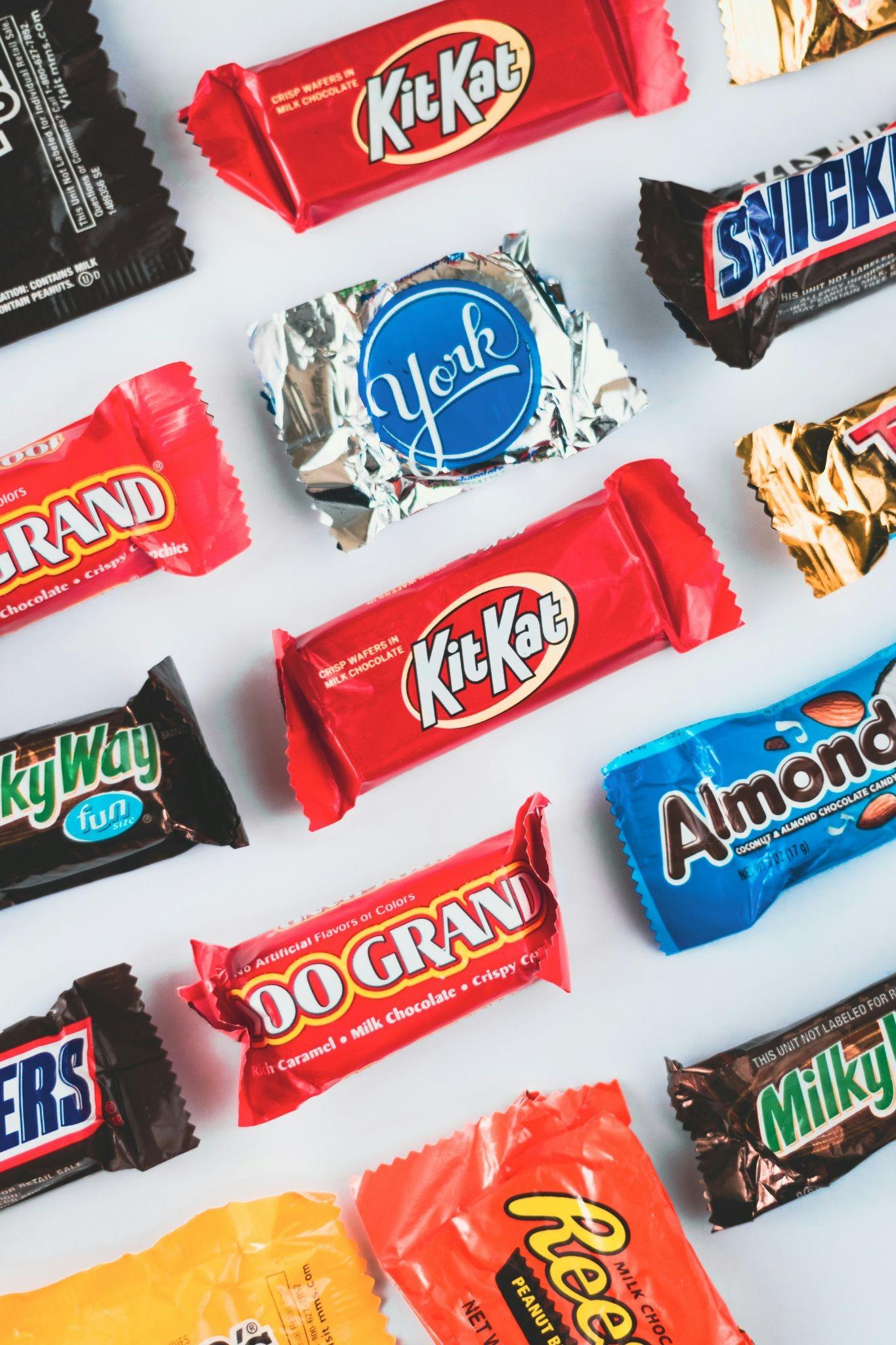
'Break me off a piece of that...' Know the rest? Unless you never found your sweet tooth, your brain finished the tagline for you: KitKat Bar!
The "Have a Break, Have a KitKat" campaign was first introduced in 1957, and is a beautiful example of how the confectionery industry has a long history of successful sensory and cross-media marketing strategy.
Consumers today see more forms of advertisements than ever, so brands need to continue to adapt and find new ways to stand out. Through the power of sensory and cross-media marketing, confectionery brands have turned simple products into full experiences that consumers become nostalgic for.
When brands understand what their customers notice and connect with, they can create experiences that feel familiar and meaningful.
It's Not Just What You See
Thanks to sensory tactics, KitKat's signature break acts as core brand positioning. The concept of the candy breaking signals certain senses in consumers: feeling the break or hearing the snap, which in turn associates the other senses and creates an emotional connection.
Even though there's no candy in front of them, consumers can taste the crunch, smell the chocolate, or envision a friend's smile when they find out someone is sharing half of their KitKat!
Technology and consumer preferences are always changing, but sensory marketing campaigns have led confectionery brands towards longstanding success and recognition. Instead of advertising how a product tastes, these brands have used sound, visuals, textures, and scents to help consumers imagine their products.
Due to this sense-based brand infrastructure, many of the industry leaders now benefit from built-in nostalgia among their consumers, leaving the door open to bridge generations of brand loyalty.

Can't Stop At Just One
Sensory marketing offers unique opportunities to create memorable experiences for consumers. Through repeatedly connecting sensory details with moments of sharing, KitKat creates a brand experience that consumers can remember even when they are not actively thinking about the candy.
Mars Inc. also utilized sensory marketing in 2018 when M&Ms launched 3 new flavors that consumers could vote on. Rather than leave the decision up to the Internet, the brand created M&M Flavor Rooms guests could access to influence a flavor selection without even tasting the candy itself.
Guests experienced fragrances, textures, furniture, and decorations in each room that represented the new flavors and influenced their vote by engaging multiple senses.
Another example is Cadbury Dairy Milk's 2025 "It Could Only Be..." campaign, which introduced soundscapes to represent their signature products and expand consumers' connection to the brand. "Every element of the integrated campaign is designed to celebrate and amplify the unmistakable taste experience of Cadbury"
From interactive spaces to digital content that combines visuals with other senses, these strategies allowed the chocolate brands to turn their products into a larger experience. The more senses a campaign can engage, the more opportunities a brand has to create an association that sticks with the consumer.

Sweeten the Deal
Sensory tactics can find even stronger success through implementing cross-media marketing. Sensory marketing engages a consumer's senses to influence brand association and cross-media marketing promotes a brand's campaign across multiple channels. Promoting sensory campaigns through different mediums creates a repetition that delivers a consistent emotional association and customer satisfaction.
Hershey Inc. has found generational multi-channel success through traditional forms of advertising, social media marketing, retail destinations, and their HersheyPark Entertainment & Resorts affiliates.
The repetition of their sensory tactics at each of these touchpoints allows the company to meet the expectations of every potential customer that comes across their brand. Hershey, PA locations in particular are well-known for smelling like chocolate as the scent is pumped into the air at their theme park, hotel, retail stores, and tourist destinations.
Reese's, also owned by Hershey Inc., has a brand identity with a central focus on the candy's ingredients. The signature chocolate and peanut butter are highlighted across their channels and campaigns with up-close visuals to emphasize the product's textures.
One of the brand's products: Reese's Pieces is specifically an important example of multi-channel success as it is a part of one of the most prominent examples of product placement in film.
In 1982 Steven Spielberg's E.T. featured the candy in an iconic scene where the product was used as a trail to lure the alien into the main character's house.
Through this entertainment channel, Reese's overall brand awareness greatly increased, and Reese's Pieces began being sold in theaters for the first time. Hershey Inc.'s efforts to collaborate and work across new channels has made the company a committed long-term industry leader.
Continuing to focus on cross-media marketing will provide confectionery brands with more opportunities to remain visible, relevant, and ensure customer engagement. Implementing sensory tactics in these initiatives as well opens new ways for brands to reimagine their classic taglines and brand identity.
A Taste of the Future
Sensory and cross-media campaigns are becoming increasingly important to the future of marketing across industries. As technology continues to become a central piece of the shopping experience, combining multiple forms of media will be essential for brands looking to create stronger, more recognizable relationships with their target audience.
Consumers constantly interact with brands through social media, television networks, radio, print, websites, in-person experiences, and other digital platforms, so companies now have more opportunities than ever to create a consistent marketing message across multiple channels.
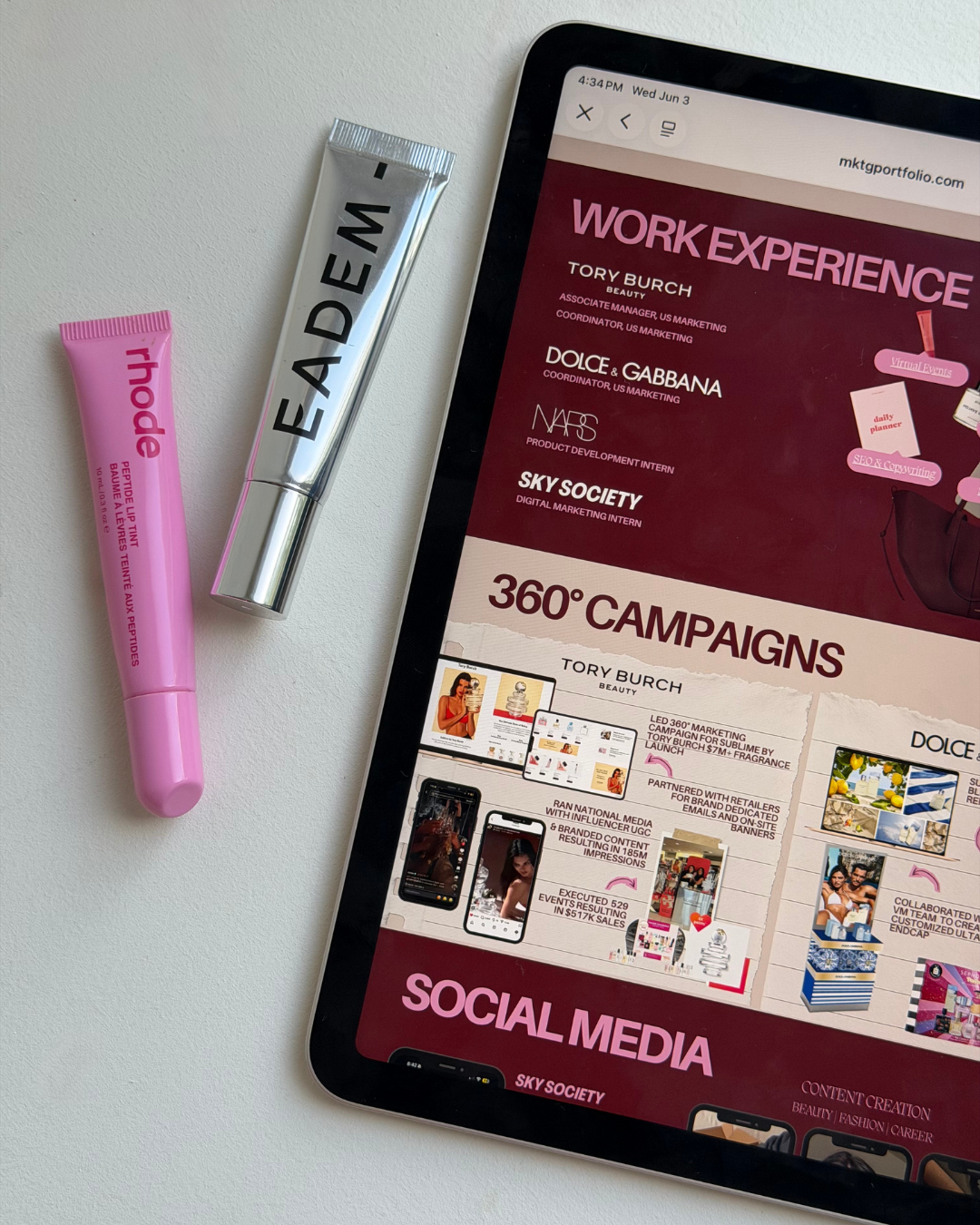
In addition to confections, marketers and brands across a variety of industries are moving towards these strategies. For example, there has been a rise in beauty brands using food-related emotional association and partnerships in their products and cross-media campaigns. These brands use food as a tangible way to evoke the senses and emphasize an aspect of the product consumers might not notice otherwise.
The sales success of food-centric campaigns, seen by brands like Rhode and Summer Fridays, is likely to lead to more marketers becoming eager to jump on the trend. As a result, sensory and cross-media marketing will become increasingly prominent and offer more chances for brands to create culturally relevant campaigns and processes that better resonate with consumers.
Wrapping Up
Ultimately, the connection between sensory marketing, cross-media strategy, and business intelligence gives brands a more direct line to understanding how consumers experience their products. As marketing continues to change, using consumer insight data alongside creative experiences will help brands analyze their relevance and build stronger connections.
Sensory and cross-media marketing utilized in the confectionery industry proves that brands can stay with consumers long after their product is out of sight. By connecting products to familiar sounds, smells, textures, tastes, and emotions, marketers have the power to create experiences that consumers recall without needing a candy bar directly in front of them.
If brands across industries push themselves to experiment with sensory campaigns on multiple platforms, consumers will continue to feel connected within crowded marketing channels filled with endless choices. Delivering immersive experiences may be the important piece that helps the next big brand find sweet success.
🪽Written by Lauren Pursell
join 45k marketing girlies
Private Marketing Girly LinkedIn Group
A private community where young women in marketing network, collaborate, and support each other.